A church for the suburbs
The church was built in the 14th century of brick and fieldstones on Żalnik hill in Kamień Pomorski. At first it was a cemetery and hospital chapel in the care of a cathedral vicar. In the late Middle Ages it became a filial church for the inhabitants of the suburbs, fishermen, sailors, peasants and the Slavic population — as services in the cathedral were reserved for the nobility and burghers. Żalnik is also the site of a Slavic burial ground from pre-Christian times.
From Lutheranism to a museum
From the 16th century Lutheran services were held here; in the same century a tower, porch and sacristy were added. After the Second World War the church was closed, and in 1960 it was renovated and turned into a regional museum. In 1994 it was returned to worship as a filial church of the cathedral parish — it was consecrated on 1 May 1994. The original furnishings were dispersed; some of the figures can be seen in the cathedral.
Architecture
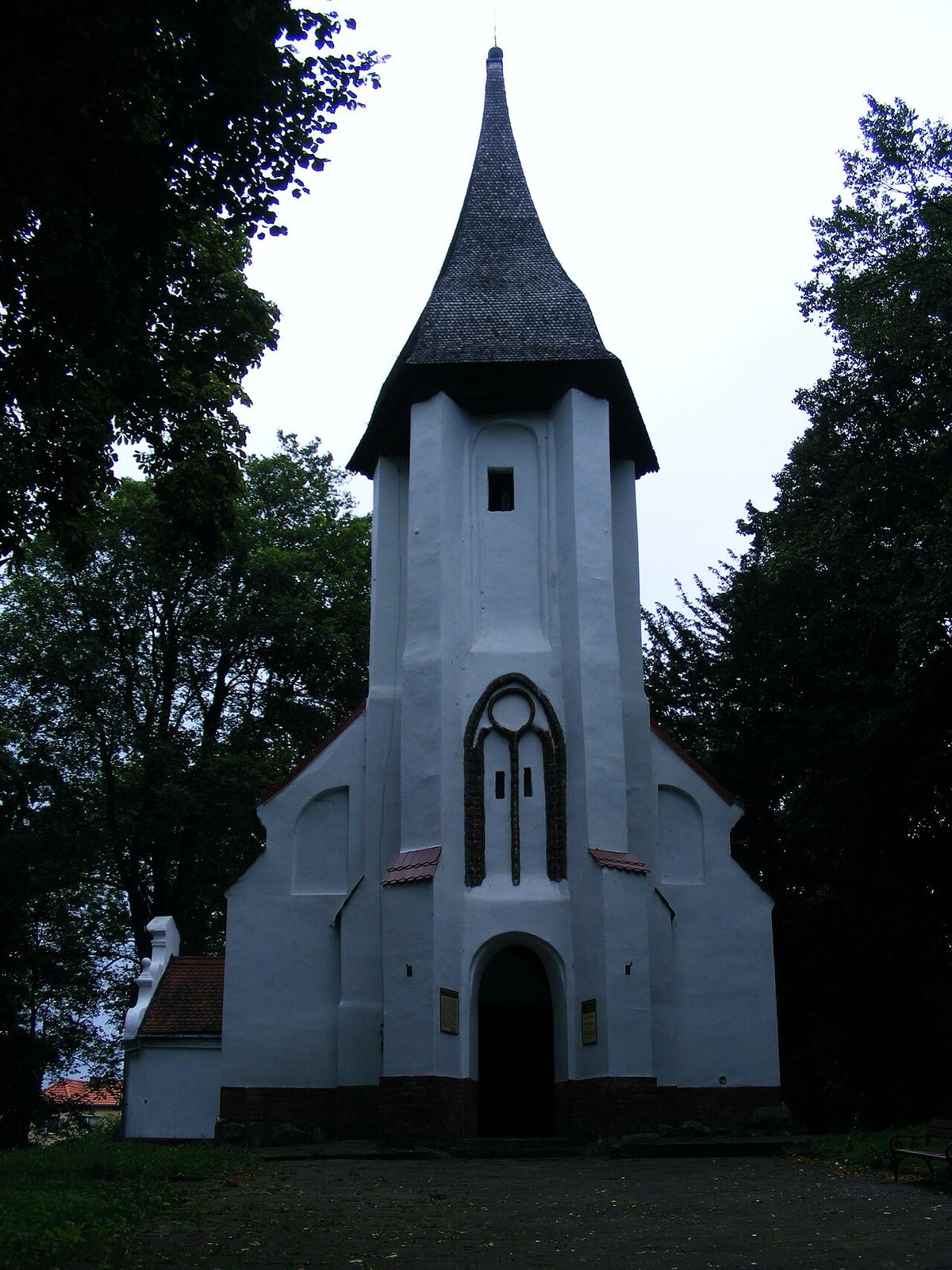
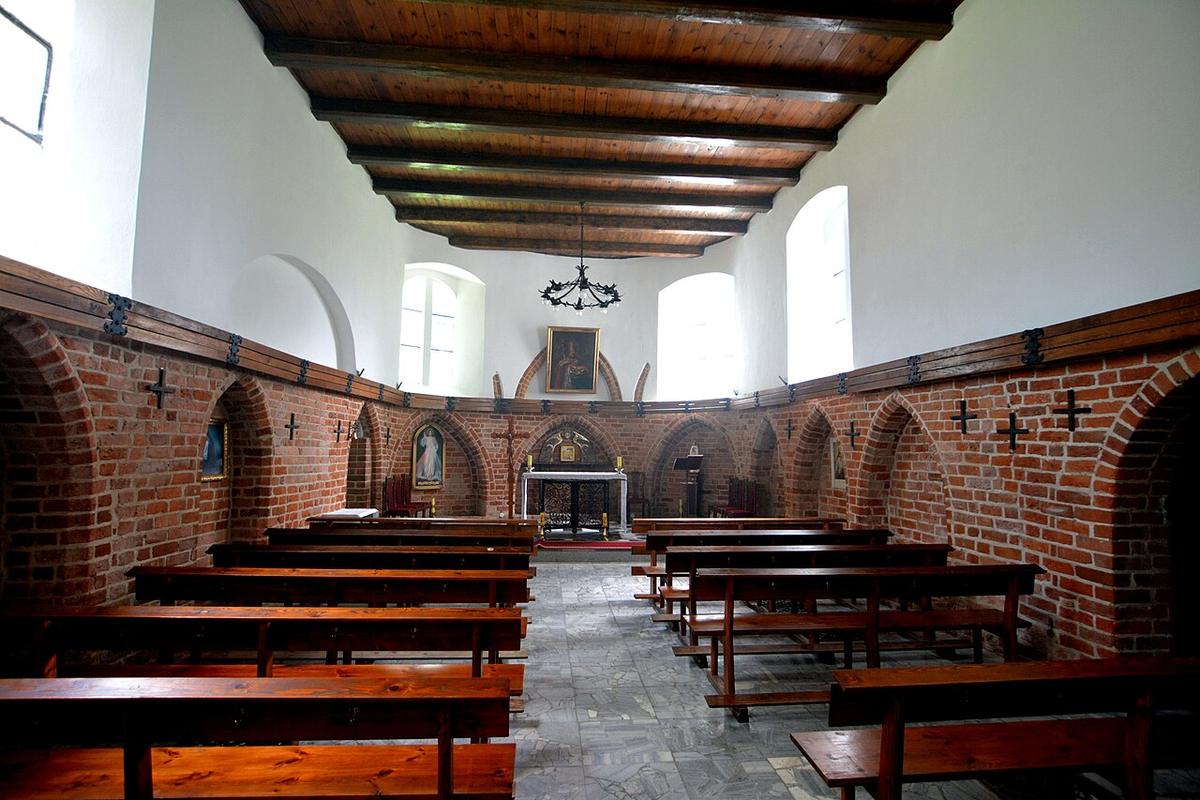
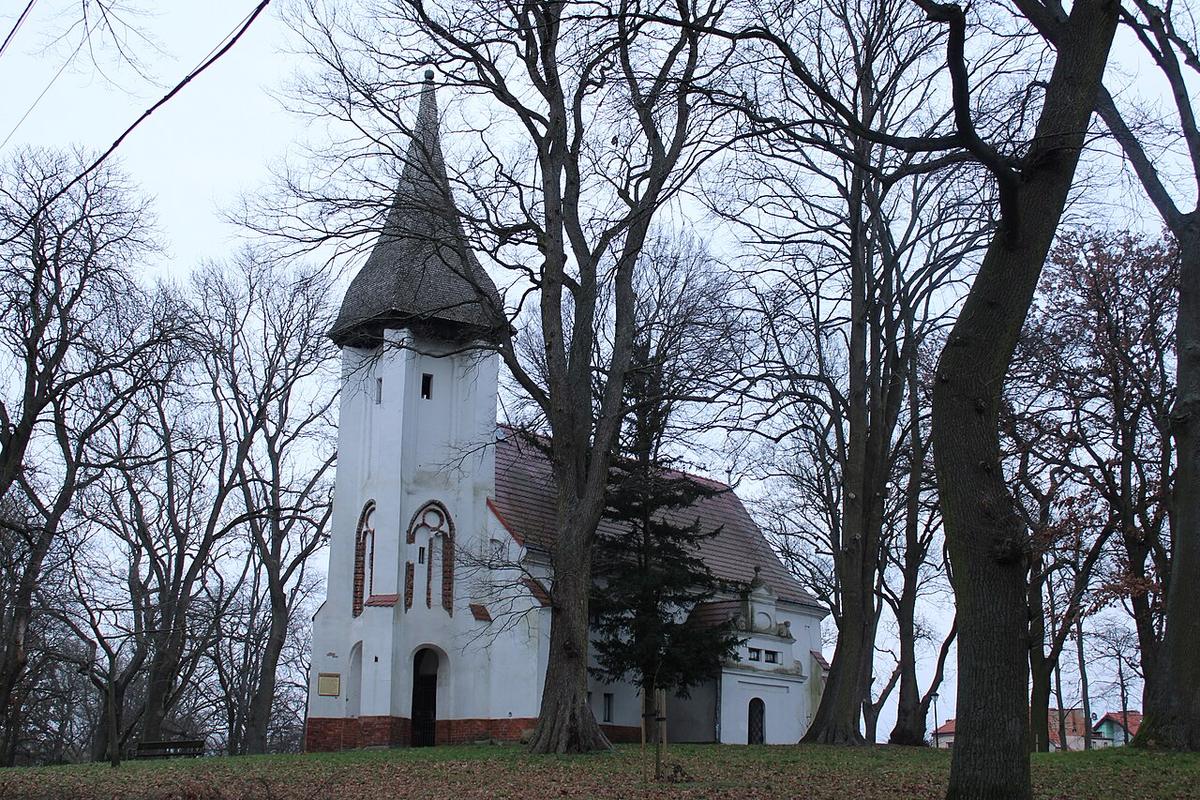
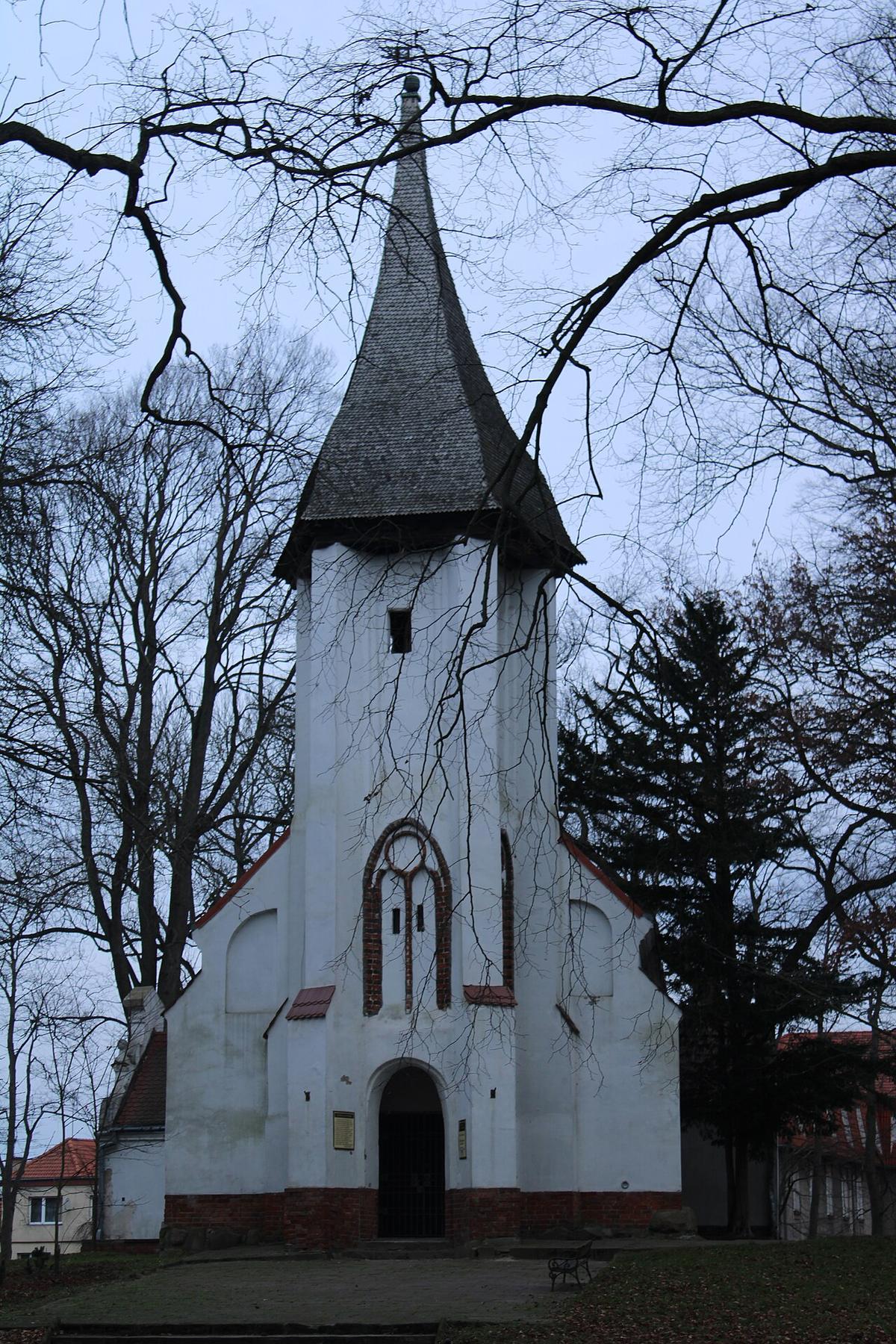
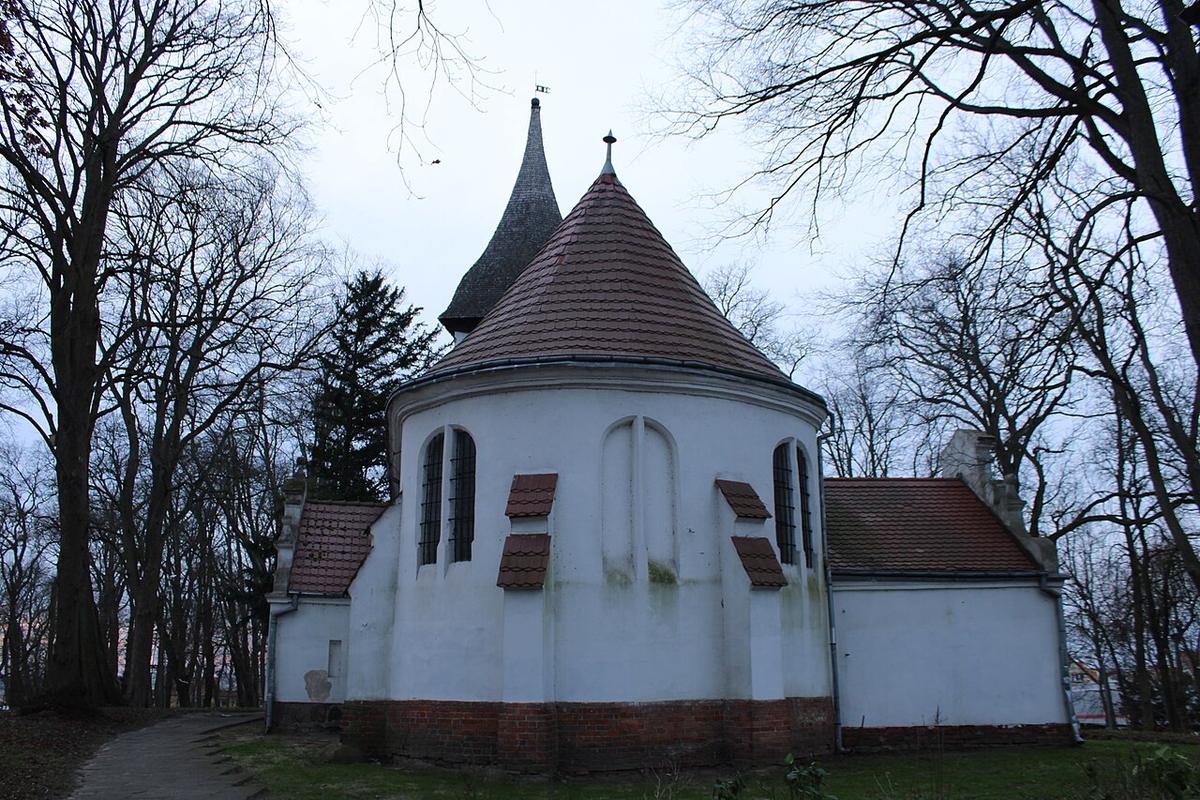
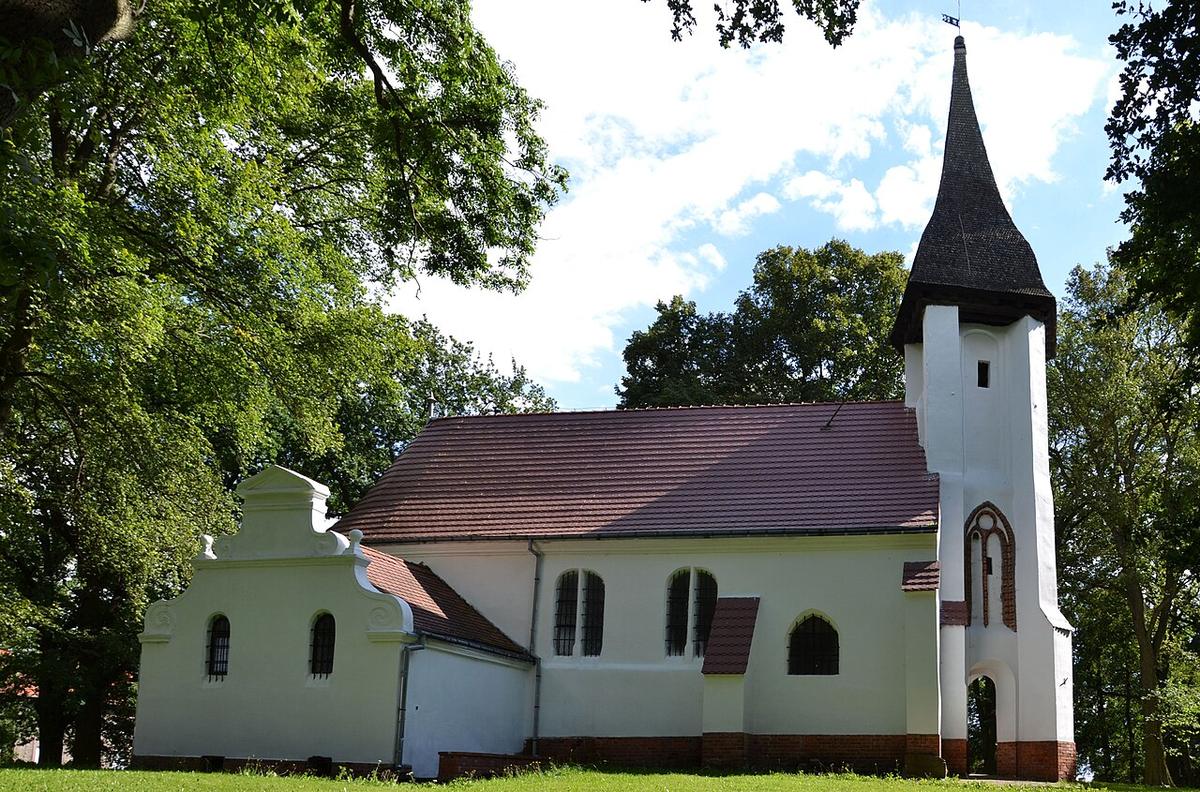
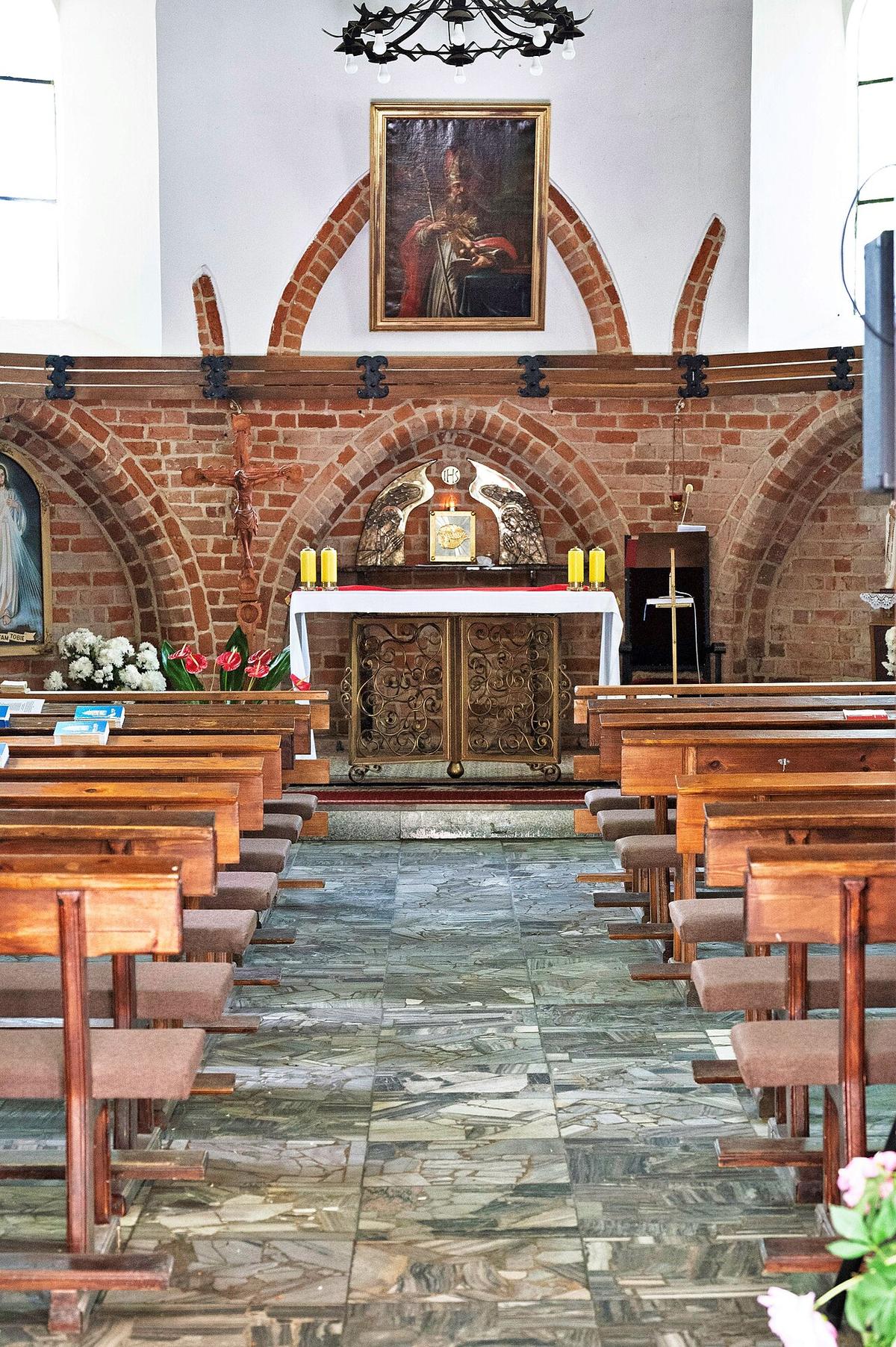
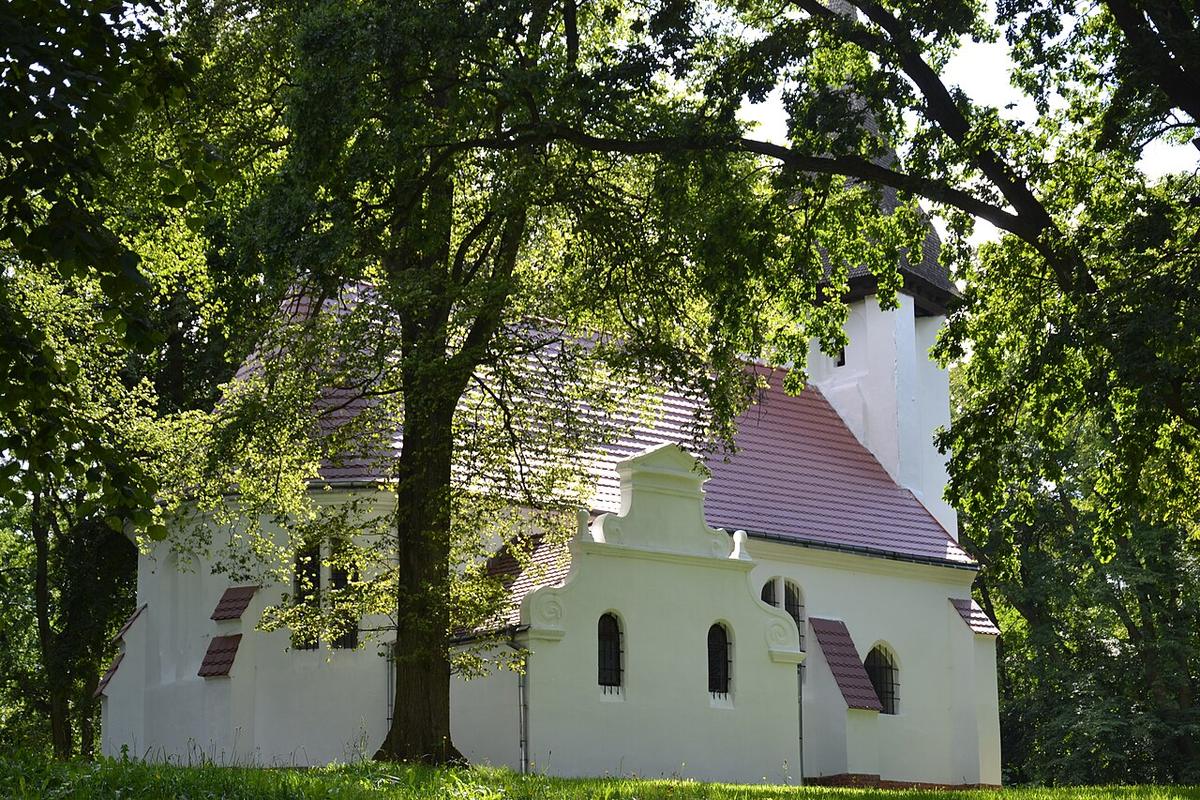
The church stands among the trees of the town park. It is an oriented hall church on a rectangular plan with an elliptical chancel and an apse to the east. The west tower is formed by four massive buttresses; in its lower storey it opens in round arches, the middle section has tracery decoration and the top has slit windows. The belfry cupola is covered with wooden shingles resembling fish scales. The interior has a simple beamed ceiling and modern furnishings.
Gallery